Pass the Baton: Mastering Lightning-Fast Team Relay Presentations
Today we explore Team Relay Presentations with 30-Second Speaker Handoffs, turning pressure into precision, nerves into choreography, and scattered messages into a crisp collective voice. Expect practical timing drills, language cues, slide design choices, and rituals that help your group carry momentum without losing clarity. By the end, you will know how to script clean transitions, recover gracefully from stumbles, and energize audiences who crave pace, personality, and substance delivered with clockwork confidence.
The 30-Second Rhythm That Powers Momentum
Thirty seconds is long enough to deliver one idea with color, but short enough to demand focus and economy. That boundary creates a living metronome: anticipation rises, novelty refreshes, and no speaker overstays. Audiences experience a rolling wave of micro-closure and renewed curiosity. With intentional structure, this cadence can reduce cognitive overload, celebrate diverse voices, and make complex messages feel surprisingly simple. The secret lies in crafting repeatable beats that invite attention to reset while insights continue to compound.





Rehearsal Systems That Lock In Timing
Precision under a countdown is not talent; it is muscle memory built through deliberate practice. Replace vague run-throughs with targeted drills that isolate breathing, phrase length, eye contact, and emergency recovery. Use metronomes, haptic timers, and visible counters until your pacing becomes kinesthetic. Rehearse failure modes—missed cues, stuck slides, surprise questions—so recovery feels instinctive. When the team trains together, trust increases, individual anxiety shrinks, and the group voice grows confident, elastic, and beautifully predictable.
Roles, Chemistry, and Trust Under the Clock
Great relays are cast with purpose. An opener establishes tempo and coherence, midfielders deepen insight while preserving context, and a closer synthesizes meaning into a promise that lingers. Rotate responsibilities to distribute spotlight and develop range, yet respect natural strengths when stakes are highest. Build rituals—warm smiles, palm signals, shared breaths—that reinforce mutual care. When people feel seen and supported, the clock becomes a collaborator, not a threat, and the message arrives united, memorable, and generous.
The opener sets tempo and safety net
Begin with a crisp promise, a visual anchor, and the first clean handoff executed without drama. The opener’s job is not dazzling complexity but surgical clarity: define the pattern, show the timer, and demonstrate the baton phrase. Establish a recovery plan in case nerves spike for anyone following. With tempo and trust established early, every subsequent turn benefits from lowered cognitive load and higher collective confidence that steadies hands and brightens faces.
Midfielders maintain clarity, context, and callbacks
In the middle, attention can drift unless structure keeps snapping back into place. Midfielders weave callbacks to earlier points, preview what the closer will resolve, and police jargon that slows comprehension. Their tone carries steadiness rather than spectacle, ensuring details advance the promise without bloating density. Each handoff gently reminds listeners where they are inside the journey. When midfielders keep the rails visible, the relay’s speed enhances understanding instead of sacrificing it.
Audience Engagement Without Breaking the Flow
Rapid pacing can deepen participation when interactivity respects the cadence. Use micro-prompts, ultra-brief polls, and intentional eye contact arcs that invite reflection without derailing rhythm. Design interactions to fit inside one or two turns, then resume the relay with renewed attention. Let stories shorten, not stretch, and anchor them to visuals that pay off quickly. When engagement elements are modular, your session feels alive and collaborative while the 30-second heartbeat remains steady and reliable.

Ten-second prompts that invite quick reflection
Offer a single question that requires no setup and yields an immediate hand-raise, thumbs-up, or concise pair-share. Cap the reflection at one breath, then harvest two lightning responses that validate participation while protecting pace. Practice concise acknowledgments—“Noted,” “Excellent contrast,” “We will test that next”—before snapping back to the next speaker. This rhythm shows respect for time and peers, making people feel included without surrendering momentum or narrative coherence during crucial transitions.

Visuals that land in under three heartbeats
Choose images and diagrams that answer one question at a glance, reinforced by a short caption that survives skim-level attention. Avoid legends, nested axes, or tiny annotations that beg for pauses you cannot afford. Use contrast, motion constraints, and immediate labeling to remove decoding friction. When meaning arrives as quickly as color, your words become an echo rather than a crutch, letting each handoff carry clarity forward without visual clutter dragging comprehension backward.
Remote, Hybrid, and On-Stage Handoffs That Feel Seamless
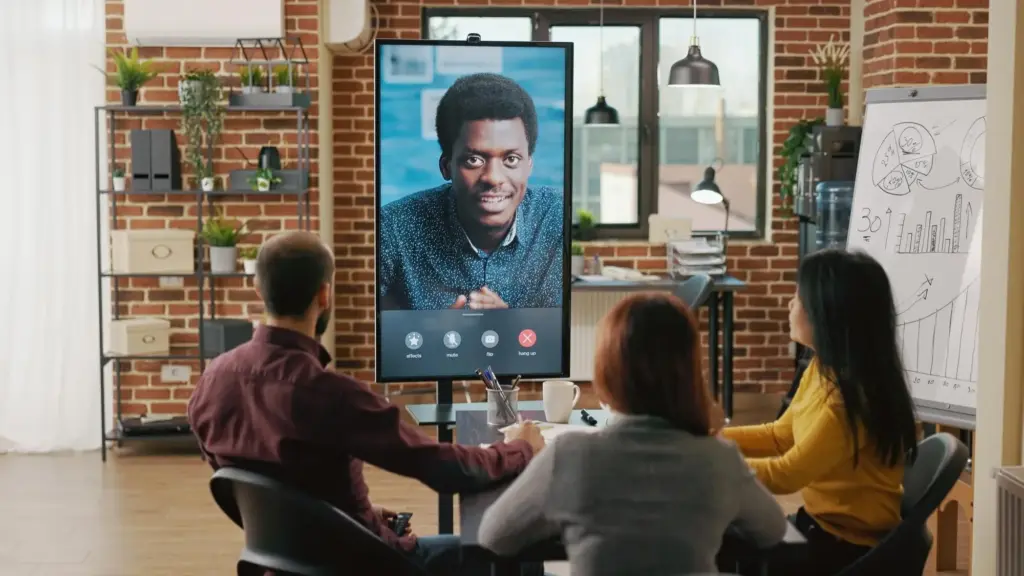
Technology can elevate or sabotage flow. Minimize latency with local timers, synchronized countdown overlays, and pre-agreed hotkeys for slide control. Standardize audio handoffs with mute choreography and crossfade etiquette. In hybrid rooms, assign an in-room conductor who mirrors signals for remote teammates. Always stage a low-friction backup: mirrored decks, a secondary narrator, and a plan for sudden drops. When tools, roles, and signals are unified, the audience perceives continuity even when networks wobble unexpectedly.


Stopwatch analytics and content heatmaps
Record each speaker’s actual turn length against the target, note overages, and capture where handoffs felt crunchy. Pair those numbers with a simple heatmap marking sections that drew frowns, smiles, or questions. The combination reveals not just timing errors but message friction points. Prioritize fixes where both timing and clarity sag. Over several runs, you will watch variance shrink, comprehension grow, and transitions become the quiet, satisfying clicks of a well-tuned mechanism.
Feedback loops that turn friction into fuel
Invite short, specific notes from teammates and a few audience members within twenty minutes of finishing. Ask what felt long, what felt rushed, and what line stuck. Celebrate clean handoffs by name, then pick one improvement per person to test next time. Friction becomes fuel when feedback is psychologically safe, time-boxed, and tied to observable behavior. This rhythm keeps egos small, curiosity large, and the collective craft steadily sharpening without drama.
All Rights Reserved.